When Two Conditions Collide: Managing Blood Sugar Carefully While Taking Furosemide
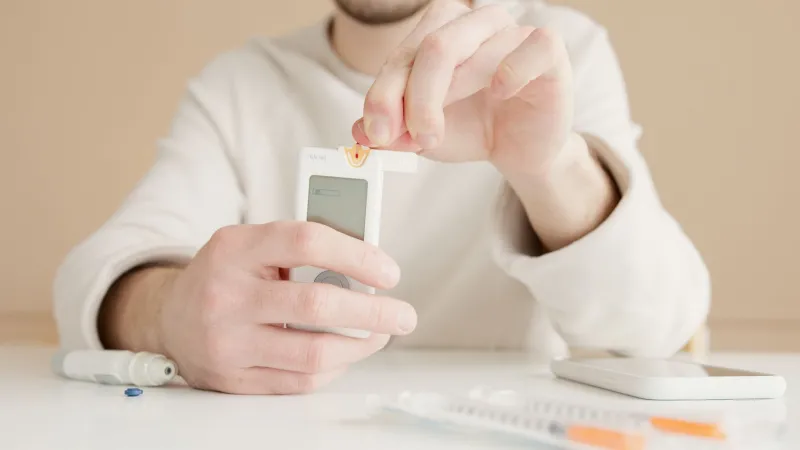
For the millions of Americans managing both heart failure or hypertension and type 2 diabetes, furosemide is a familiar prescription. It reliably reduces fluid accumulation, eases the workload on a strained heart, and helps control dangerous edema. Yet beneath its well-established benefits lies a pharmacological tension that deserves far more attention than it typically receives in routine clinical conversations: furosemide can meaningfully interfere with blood glucose regulation.
This is not a reason to avoid the medication. Rather, it is a reason to understand precisely how it interacts with the body's glucose systems — and to work closely with both a cardiologist and an endocrinologist when managing these two conditions at once.
How Furosemide Affects the Body Beyond Fluid Removal
Furosemide belongs to the loop diuretic class, named for its action on the loop of Henle within the kidney. It inhibits sodium and chloride reabsorption, triggering the excretion of large volumes of water along with key electrolytes — most notably potassium, magnesium, and sodium. This electrolyte depletion is the mechanism behind several of furosemide's known side effects, and it is also central to understanding its relationship with blood sugar.
Potassium, in particular, plays a direct role in insulin secretion. The beta cells of the pancreas rely on potassium channels to regulate the release of insulin in response to rising blood glucose. When serum potassium falls — a condition known as hypokalemia — these channels are disrupted. The result can be a measurable reduction in insulin secretion, which in turn allows blood glucose to climb higher than it otherwise would after meals.
Research has consistently demonstrated that diuretic-induced hypokalemia is associated with impaired glucose tolerance and, in some cases, new-onset diabetes. For patients already diagnosed with diabetes, the same mechanism can destabilize glycemic control that was previously well-managed.
Dehydration Complicates the Picture Further
Furosemide's diuretic effect reduces plasma volume, which concentrates the substances remaining in the bloodstream. From a purely physical standpoint, this means that blood glucose readings taken during periods of relative dehydration may appear artificially elevated — not because the body is producing more glucose, but because there is less fluid diluting it.
This phenomenon is particularly relevant for patients who monitor their glucose at home. A reading taken in the morning, several hours after an evening furosemide dose, may reflect concentrated blood rather than a true metabolic shift. Conversely, after adequate rehydration, the same patient's numbers may normalize without any change in diet or diabetes medication.
Understanding this dynamic helps explain why some patients on furosemide experience what appears to be erratic glucose control — numbers that swing without an obvious cause. The cause, in many cases, is fluctuating hydration status driven by the diuretic itself.
Insulin Timing and the Diuretic Schedule
For insulin-dependent patients, the timing of furosemide dosing relative to insulin administration introduces additional complexity. When furosemide is taken in the morning — a common clinical recommendation to avoid nighttime urination — it initiates a period of fluid and electrolyte loss that peaks within the first two to four hours. If a patient is also taking rapid-acting insulin with breakfast, the overlapping physiological effects require careful coordination.
A drop in potassium during the peak diuretic window can blunt insulin's effectiveness, potentially leading to postprandial hyperglycemia. Meanwhile, if the patient restricts fluid intake to manage urinary frequency, dehydration-related glucose concentration can further obscure whether the insulin dose was appropriate.
Endocrinologists managing patients on loop diuretics may consider adjusting insulin doses or shifting injection timing to account for these variables. Patients should not make these adjustments independently — but they should be prepared to have an honest, detailed conversation with their care team about when they take furosemide, how much fluid they consume throughout the day, and how their glucose readings trend relative to their dosing schedule.
Recognizing When Readings May Be Unreliable
Several clinical scenarios should prompt heightened scrutiny of blood glucose readings in patients taking furosemide:
Following a dose increase. When a physician raises the furosemide dose — often in response to worsening edema or acute decompensation — the resulting increase in fluid and electrolyte loss can transiently destabilize glucose control. Blood sugar readings during this adjustment period may not reflect the patient's baseline metabolic status.
During hot weather or increased physical activity. Both heat and exercise accelerate fluid loss. Combined with furosemide's diuretic effect, these factors can produce significant dehydration and electrolyte depletion in a short period. Patients should be especially vigilant about glucose monitoring and hydration during summer months — a concern already well-documented for diuretic users in warmer climates.
After illness or gastrointestinal disturbance. Vomiting or diarrhea dramatically compounds electrolyte losses in patients already taking a loop diuretic. In this setting, both hypokalemia and dehydration can reach clinically significant levels quickly, and blood glucose readings become particularly difficult to interpret without laboratory confirmation.
When symptoms of hypoglycemia and dehydration overlap. Dizziness, fatigue, confusion, and rapid heartbeat can signal either low blood sugar or significant dehydration. In a patient taking both insulin and furosemide, these overlapping symptom profiles can delay appropriate treatment. Knowing which condition is responsible requires prompt glucose testing and, when uncertain, medical evaluation.
The Role of Magnesium — An Often-Overlooked Variable
While potassium receives the most attention in discussions of diuretic-related glucose disruption, magnesium depletion deserves equal consideration. Furosemide promotes urinary magnesium excretion, and low magnesium levels are independently associated with insulin resistance and impaired glucose metabolism. Many patients on long-term furosemide therapy develop subclinical magnesium deficiency without obvious symptoms, yet the metabolic consequences can be substantial.
Routine laboratory monitoring for patients on furosemide should ideally include magnesium levels alongside the more commonly checked potassium and creatinine. Supplementation, when indicated, may help restore not only electrolyte balance but also improve insulin sensitivity over time.
Coordinating Care Between Specialists
The intersection of diuretic therapy and diabetes management is a compelling example of why siloed specialty care can leave patients vulnerable. A cardiologist prescribing furosemide for heart failure may not be closely tracking hemoglobin A1C trends, while an endocrinologist adjusting insulin doses may not be aware that a recent furosemide increase has shifted the patient's hydration and electrolyte profile.
Patients benefit enormously from proactively sharing medication lists, laboratory results, and symptom logs across all members of their care team. Bringing a printed summary of current medications — including doses and timing — to every appointment helps ensure that each specialist is making decisions with the full clinical picture in mind.
For those managing prescriptions across multiple providers, a trusted pharmacy partner can also serve as a practical coordination point. Pharmacists are trained to identify drug interactions and flag patterns in prescription history that individual prescribers may not immediately recognize.
A Practical Path Forward
Living with both diabetes and a condition requiring furosemide is not uncommon, and it is entirely manageable with the right information and a proactive approach. The key steps are straightforward: monitor glucose readings in the context of hydration and dosing schedules, maintain regular electrolyte testing, communicate openly with every member of the care team, and treat unexplained glucose fluctuations as a signal worth investigating rather than an inconvenience to ignore.
Furosemide remains an effective and often essential medication. Understanding its metabolic effects does not diminish its value — it simply ensures that patients and providers use it as wisely as possible.