Protecting Your Kidneys While on Furosemide: What Long-Term Patients Must Know About Renal Monitoring
The Relationship Between Furosemide and Your Kidneys
Furosemide works by prompting the kidneys to excrete excess sodium and water, relieving the fluid buildup associated with heart failure, liver disease, and chronic kidney conditions. That mechanism, while therapeutically valuable, places a sustained demand on renal tissue. Over months and years, the cumulative effect of that demand can alter how efficiently the kidneys filter waste from the bloodstream.
This does not mean furosemide is inherently dangerous to the kidneys. For the vast majority of patients, the medication performs its intended role without causing lasting harm. However, certain populations—including older adults, individuals with pre-existing kidney disease, and those on multiple nephrotoxic medications—face a meaningfully elevated risk of renal function decline. Understanding where you fall on that spectrum begins with one foundational measurement: the glomerular filtration rate, or GFR.
What GFR Actually Measures—and Why It Matters
The glomerular filtration rate estimates how much blood your kidneys filter per minute. Expressed in milliliters per minute per 1.73 square meters of body surface area (mL/min/1.73 m²), GFR is the clinical gold standard for assessing kidney function. Most laboratories calculate an estimated GFR, or eGFR, using a formula that incorporates serum creatinine levels, age, sex, and race.
Here is what those numbers generally mean in clinical practice:
- eGFR above 90: Normal or high kidney function
- eGFR 60–89: Mildly reduced function; warrants monitoring
- eGFR 30–59: Moderately reduced function; medication adjustments may be necessary
- eGFR 15–29: Severely reduced function; specialist involvement is typically required
- eGFR below 15: Kidney failure; dialysis or transplant may be indicated
For furosemide users, a declining eGFR trend over successive lab draws is a more telling signal than any single reading. A one-time dip may reflect temporary dehydration. A consistent downward trajectory, however, warrants a direct conversation with your prescribing physician about dosage, hydration strategy, and whether alternative agents should be considered.
How Often Should Long-Term Furosemide Users Get Tested?
There is no universal answer, because monitoring frequency should be calibrated to individual risk. That said, general clinical guidance offers a useful starting framework:
- Stable patients with normal baseline kidney function typically benefit from comprehensive metabolic panels—including creatinine and eGFR—every three to six months.
- Patients with pre-existing chronic kidney disease (CKD) or those on higher furosemide doses may require monthly monitoring, particularly when doses are adjusted.
- Anyone who has recently started furosemide should have baseline labs drawn before initiation and again within two to four weeks of beginning therapy.
If your current care routine does not include scheduled kidney function testing, raise the subject proactively. Patients who engage with their lab results tend to catch early warning signs before they escalate into more serious—and more expensive—clinical events.
The Financial Case for Consistent Renal Monitoring
From a patient financial wellness perspective, routine kidney monitoring is among the most cost-efficient investments a long-term furosemide user can make. A standard comprehensive metabolic panel in the United States typically costs between $10 and $50 when billed through insurance, and many Medicare and Medicaid plans cover it without additional cost-sharing when ordered as part of chronic disease management.
Contrast that with the downstream costs of undetected renal decline. Advanced CKD management, nephrology specialist visits, and potential hospitalization for acute kidney injury can generate medical bills in the thousands of dollars. Dialysis, should kidney failure occur, costs an estimated $90,000 or more per year—a burden that falls heavily on patients, families, and the healthcare system alike.
Putting it plainly: a $30 lab draw done four times a year is a far more manageable financial commitment than managing preventable kidney disease. For patients navigating high-deductible health plans or limited prescription coverage, asking your provider to code routine labs appropriately under chronic disease management protocols can further reduce out-of-pocket exposure.
Warning Signs That Deserve Immediate Attention
Between scheduled lab visits, certain symptoms may indicate that kidney function is being stressed. None of these signs should be used to self-diagnose, but each warrants prompt communication with your healthcare provider:
- Decreased urine output despite taking your usual furosemide dose
- Unusual swelling that is not responding to the medication as it previously did
- Persistent fatigue or mental fogginess, which can reflect accumulating waste products in the bloodstream
- Nausea, loss of appetite, or a metallic taste in the mouth
- Muscle cramps or weakness beyond what you typically experience
These symptoms overlap with electrolyte imbalances—another known furosemide complication—so laboratory evaluation is essential for accurate interpretation. Do not adjust your dose independently based on symptoms alone.
Questions to Bring to Your Next Appointment
An informed patient is a safer patient. Consider raising the following points during your next clinical visit:
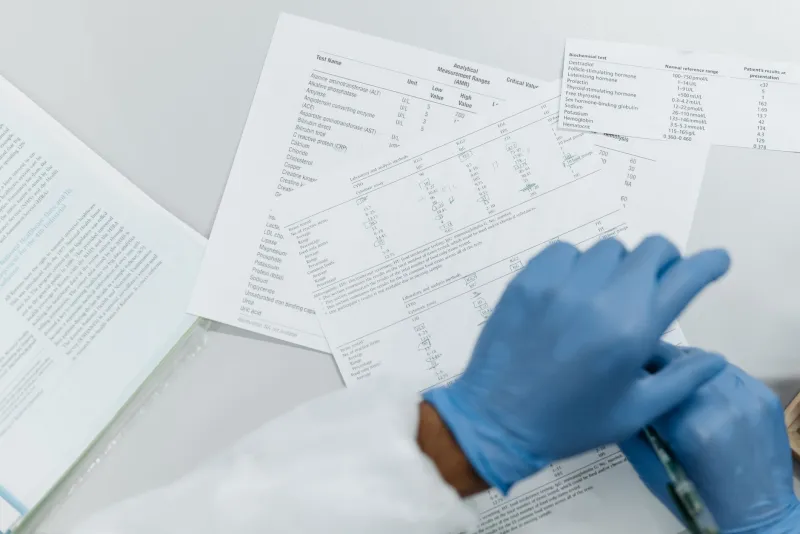
- What is my current eGFR, and how has it trended over the past year? Request a printed copy of your lab results if your provider uses an electronic health record portal.
- Is my current furosemide dose appropriate given my kidney function? Dose adjustments are sometimes warranted as eGFR declines.
- Am I taking any other medications that could compound the risk to my kidneys? NSAIDs such as ibuprofen and naproxen are particularly concerning when combined with diuretics.
- Should I be working with a nephrologist? If your eGFR is below 60 or declining rapidly, co-management with a kidney specialist may be appropriate.
- What hydration targets should I follow? Furosemide's fluid-removal action can occasionally tip into over-diuresis, reducing blood flow to the kidneys—a condition called prerenal azotemia.
Lifestyle Factors That Support Kidney Health During Diuretic Therapy
Medication monitoring is only one component of a comprehensive renal protection strategy. Several lifestyle practices can meaningfully support kidney function over the long term:
Moderate protein intake. Excessive dietary protein increases the kidneys' filtration burden. Patients with reduced eGFR are often advised to limit protein consumption under the guidance of a registered dietitian.
Blood pressure control. Hypertension is both a common reason for furosemide use and a leading cause of kidney damage. Keeping blood pressure within your target range—typically below 130/80 mmHg for most adults with CKD—is among the most protective steps you can take.
Avoidance of nephrotoxic substances. Beyond NSAIDs, contrast dyes used in imaging studies and certain antibiotics (such as gentamicin) can stress the kidneys. Alert every provider you see to your furosemide use before any procedure involving these agents.
Consistent follow-up. Skipping appointments or deferring lab work because you feel well is a pattern that can allow silent kidney deterioration to progress undetected.
Taking the Long View on Diuretic Safety
Furosemide has been a cornerstone of fluid management therapy for decades, and when used appropriately with adequate monitoring, it remains a safe and effective medication for the overwhelming majority of patients. The key word is monitoring. The kidneys do not broadcast distress loudly or early—which is precisely why scheduled laboratory evaluation and open dialogue with your clinical team are non-negotiable components of responsible long-term use.
At FurosemideTabs, we believe that access to clear, accurate medical information is as important as access to the medications themselves. Understanding your eGFR, knowing which symptoms to watch for, and advocating for consistent lab monitoring are not acts of medical overreach—they are the hallmarks of an engaged, informed patient. That engagement, sustained over time, is what keeps both your kidneys and your overall health on solid footing.