Furosemide vs. Thiazides: A Doctor-Backed Guide to Choosing the Right Diuretic for Your Blood Pressure
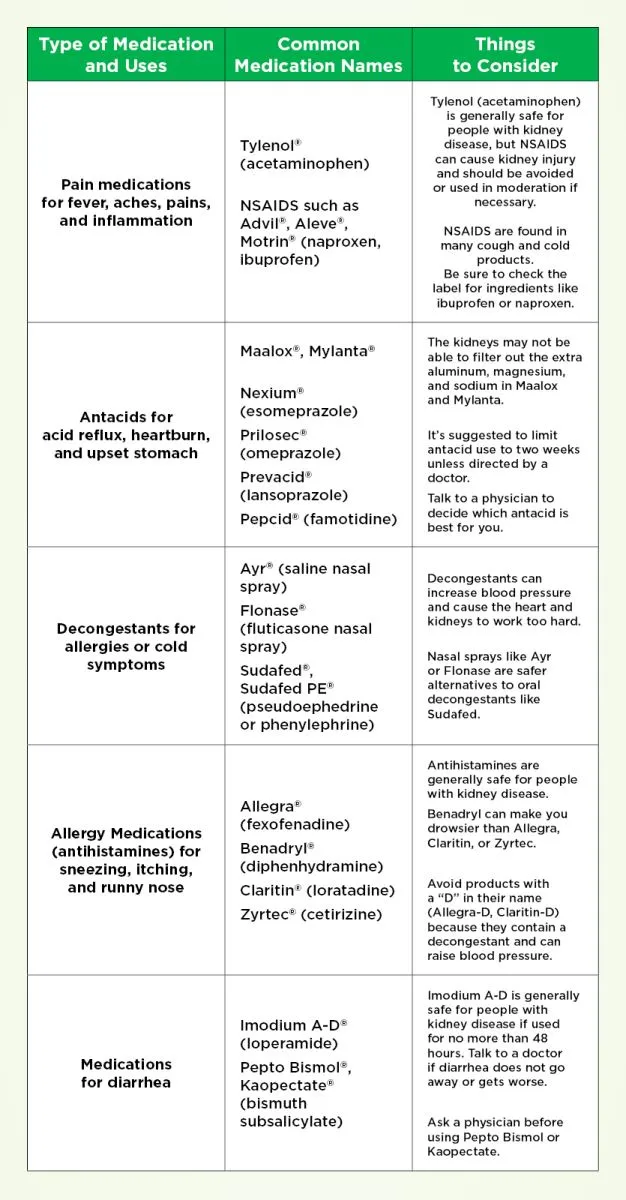
Photo: doctor reviewing prescription medications kidney health comparison chart, via mnapi.io.vn
Understanding Why Diuretic Class Matters
When a physician prescribes a "water pill" for high blood pressure or fluid retention, that recommendation is rarely arbitrary. Two broad families of diuretics dominate clinical practice in the United States: loop diuretics, represented most prominently by furosemide (brand name Lasix), and thiazide diuretics, which include hydrochlorothiazide and chlorthalidone. While both categories encourage the kidneys to excrete excess sodium and water, the mechanisms, potency levels, and ideal patient profiles differ considerably.
Understanding those distinctions is not merely an academic exercise. The right diuretic can meaningfully improve outcomes, reduce hospitalizations, and lower long-term medication costs — all priorities that FurosemideTabs is committed to helping patients navigate with clarity.
How Loop Diuretics Work
Furosemide and its loop diuretic relatives — bumetanide and torsemide — act on a specific segment of the kidney tubule called the loop of Henle. This region is responsible for reabsorbing a substantial portion of filtered sodium back into the bloodstream. By blocking the sodium-potassium-chloride cotransporter at this site, loop diuretics prevent that reabsorption, prompting the body to eliminate far greater volumes of fluid than most other diuretic classes can achieve.
The result is a rapid, pronounced diuretic effect. In clinical settings, furosemide administered intravenously can begin producing urine output within minutes. Even oral furosemide typically takes effect within one hour, making it a preferred option when swift fluid reduction is medically necessary.
This potency, however, comes with trade-offs. Loop diuretics can deplete potassium, magnesium, and calcium at significant rates, requiring patients to undergo periodic blood work and, in many cases, take potassium supplements. Dehydration and dizziness are also real concerns, particularly in older adults.
How Thiazide Diuretics Work
Thiazides operate on a different segment of the kidney — the distal convoluted tubule — and produce a more moderate diuretic effect. Hydrochlorothiazide, one of the most commonly prescribed antihypertensives in the country, has decades of clinical evidence supporting its use as a first-line treatment for uncomplicated hypertension.
Because thiazides work more gently than loop diuretics, they are generally well-suited for patients whose primary goal is sustained blood pressure reduction rather than urgent fluid removal. Chlorthalidone, a thiazide-like diuretic, has attracted particular attention in recent years due to evidence suggesting superior 24-hour blood pressure control compared to hydrochlorothiazide.
Thiazides also carry electrolyte risks, particularly hypokalemia and hyponatremia, but these tend to manifest more gradually than with loop diuretics. One notable advantage: thiazides have been shown to reduce the risk of kidney stones by decreasing urinary calcium excretion — a benefit loop diuretics do not share.
When Physicians Choose Loop Diuretics
Furosemide and other loop diuretics are the standard of care in several specific clinical circumstances:
- Heart failure: Patients with congestive heart failure frequently develop pulmonary congestion and peripheral edema. The rapid, powerful fluid-clearing capacity of furosemide makes it essential in this population.
- Chronic kidney disease (CKD): As kidney function declines, thiazides become progressively less effective. Loop diuretics retain efficacy even at lower glomerular filtration rates (GFR), making them the diuretic of choice for patients with moderate to severe CKD.
- Acute pulmonary edema: In emergency settings, intravenous furosemide can be life-saving by rapidly reducing fluid accumulation in the lungs.
- Significant edema of any origin: Whether caused by liver cirrhosis, nephrotic syndrome, or venous insufficiency, substantial fluid retention typically warrants the stronger action of a loop diuretic.
When Thiazides Are the Preferred Option
For patients managing hypertension without significant concurrent conditions, thiazides frequently represent the first line of pharmacological treatment. Major guidelines from the American College of Cardiology and the American Heart Association have long included thiazide-type diuretics among the preferred initial agents for most adults with high blood pressure.
Thiazides are also a reasonable choice for patients with osteoporosis risk, given their calcium-retaining properties, and for those whose blood pressure requires only modest reduction. The once-daily dosing schedule of many thiazides improves medication adherence — an important practical consideration for long-term hypertension management.
Side-by-Side Comparison: Key Differences at a Glance
| Feature | Loop Diuretics (e.g., Furosemide) | Thiazides (e.g., Hydrochlorothiazide) |
|---|---|---|
| Primary site of action | Loop of Henle | Distal convoluted tubule |
| Diuretic potency | High | Moderate |
| Speed of onset (oral) | 30–60 minutes | 1–2 hours |
| Effectiveness in CKD | Retained at low GFR | Reduced below GFR 30 |
| Potassium effect | Significant loss | Moderate loss |
| Calcium effect | Increased excretion | Decreased excretion |
| Primary use | Edema, heart failure, CKD | Hypertension, mild fluid retention |
| Cost (generic, monthly) | $10–$30 | $5–$20 |
Cost estimates reflect typical U.S. retail pricing for generic formulations and may vary by pharmacy and insurance coverage.
Cost Considerations for American Patients
Affordability is a legitimate concern for millions of Americans managing chronic conditions. Both furosemide and generic hydrochlorothiazide are available at low cost through most major pharmacy chains and discount programs. GoodRx, manufacturer patient assistance programs, and online pharmacy platforms — including FurosemideTabs — can provide access to these medications at prices substantially below standard retail rates.
Patients without insurance coverage should inquire specifically about generic availability, as branded versions of both diuretic classes carry significantly higher price tags without corresponding clinical advantages for most individuals.
The Importance of Personalized Medical Guidance
This comparison is intended to inform, not prescribe. The selection of a diuretic depends on a patient's complete medical history, kidney function, current medications, and cardiovascular risk profile. Combining a loop diuretic with certain antibiotics, for instance, can increase the risk of hearing damage — a drug interaction that underscores why physician oversight remains essential.
Patients who have been prescribed furosemide or a thiazide and wish to understand their treatment better are encouraged to discuss the rationale with their prescribing clinician. For those seeking convenient prescription access and reliable medication information, FurosemideTabs provides a structured pathway to both — because informed patients consistently achieve better health outcomes.