Lab Results Decoded: What Furosemide Does to Your Electrolytes and Why Monitoring Matters
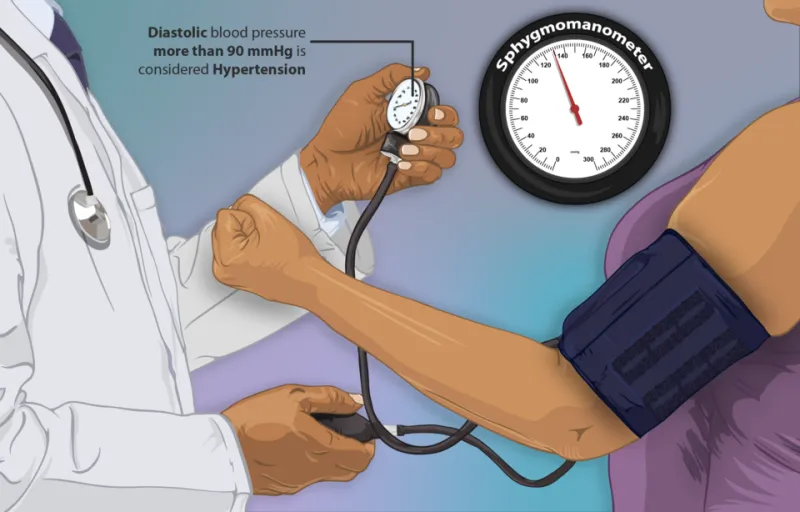
Photo: https://www.myupchar.com/en, CC BY-SA 4.0, via Wikimedia Commons
If you have been prescribed furosemide to manage fluid retention, heart failure, or high blood pressure, you have likely noticed that your physician orders blood tests with some regularity. For many patients, these lab draws feel routine — perhaps even unnecessary. Yet the numbers on those reports carry real clinical weight. Understanding what furosemide does inside your body, and why those figures matter, can transform a confusing piece of paper into a meaningful tool for protecting your health.
How Furosemide Works — and Why Electrolytes Enter the Picture
Furosemide belongs to a class of medications called loop diuretics. It works by blocking a specific protein in the kidneys — the sodium-potassium-chloride cotransporter — that normally reclaims these minerals from the fluid your kidneys filter. When that transporter is inhibited, more sodium, chloride, and water are expelled through urine. This is precisely the mechanism that reduces dangerous fluid buildup in tissues and eases the workload on a strained heart.
The challenge is that potassium rides along with sodium during this process. Because the kidney cannot selectively retain potassium while shedding sodium under the influence of furosemide, patients often lose more potassium than their diet can easily replace. This condition — known as hypokalemia — is one of the most clinically significant side effects associated with long-term furosemide use.
Magnesium is another mineral commonly affected. Low magnesium levels can, in turn, make it harder for the body to hold onto potassium, creating a compounding deficiency that blood tests are specifically designed to catch early.
What the Numbers on Your Lab Report Actually Mean
When your physician orders a basic metabolic panel (BMP) or a comprehensive metabolic panel (CMP), several values are directly relevant to furosemide therapy:
Potassium (K+): The normal reference range for potassium in adults is generally 3.5 to 5.0 milliequivalents per liter (mEq/L). A result below 3.5 mEq/L signals hypokalemia. Mild hypokalemia (3.0–3.5 mEq/L) may cause muscle weakness, fatigue, or cramping. More severe depletion — levels dropping below 3.0 mEq/L — can provoke heart rhythm disturbances, which is why physicians take even modest reductions seriously.
Sodium (Na+): The normal range is approximately 136 to 145 mEq/L. Furosemide can sometimes cause hyponatremia (low sodium), particularly in older adults or those with limited fluid intake. Symptoms may include confusion, nausea, or headaches.
Creatinine and BUN (Blood Urea Nitrogen): These markers reflect kidney function. Because furosemide increases urine output, dehydration is a real risk — particularly during hot weather or illness. Rising creatinine levels can indicate that the kidneys are under stress, prompting a dosage reassessment.
Magnesium (Mg): Not always included in a standard panel, but frequently ordered for patients on long-term diuretic therapy. The normal range is roughly 1.7 to 2.2 mg/dL. Deficiency can worsen potassium loss and cause muscle tremors or irregular heartbeat.
Why Your Doctor Orders Tests When You Feel Fine
One of the most important things to understand about electrolyte imbalances is that they are frequently asymptomatic in their early stages. A patient with a potassium level of 3.2 mEq/L may feel entirely normal — no cramps, no fatigue, no palpitations. This is precisely why waiting for symptoms before checking lab values is considered inadequate care.
Routine monitoring allows physicians to intervene before a mild imbalance becomes a dangerous one. For patients newly started on furosemide, labs are often ordered within one to two weeks of initiation. Once a stable, therapeutic dose is established and electrolyte levels are consistent, the frequency of testing may decrease — but it rarely stops entirely.
If you are unsure how often your labs should be drawn, ask your prescriber directly. A simple question — "How frequently should I expect blood work while I am taking furosemide?" — is entirely appropriate and helps ensure nothing slips through the cracks.
Managing Potassium Through Diet and Supplementation
For patients with mildly low potassium, dietary adjustments can sometimes make a meaningful difference. Foods rich in potassium include:
- Bananas — one medium banana contains roughly 422 mg of potassium
- Avocados — among the most potassium-dense foods available
- Sweet potatoes — a single baked sweet potato provides over 500 mg
- Leafy greens — spinach, Swiss chard, and kale are excellent sources
- Beans and lentils — economical and nutrient-dense options
- Low-fat dairy — milk and yogurt contribute meaningfully to daily intake
However, dietary modifications alone are not always sufficient. When lab results indicate persistent or moderate hypokalemia, physicians typically prescribe oral potassium supplements — most commonly potassium chloride (KCl), available in tablet or liquid form. These supplements should never be taken without medical supervision, as excess potassium is itself dangerous and can cause life-threatening cardiac events.
Some patients are prescribed a potassium-sparing diuretic — such as spironolactone or amiloride — alongside furosemide. These medications work through different mechanisms and help counteract potassium loss, offering a pharmacological approach to maintaining balance.
Questions Worth Asking at Your Next Appointment
Being an active participant in your care means coming to appointments prepared. Consider raising the following points with your prescriber:
- "What were my potassium and sodium levels on my last panel, and are they within range?"
- "Should I be taking a potassium supplement, or is dietary adjustment sufficient?"
- "Are there any foods or beverages I should limit while on furosemide?" (Alcohol and excessive caffeine can exacerbate dehydration.)
- "At what point would you consider adjusting my furosemide dose based on my labs?"
- "Do I need magnesium checked as well?"
These are not intrusive questions — they are the hallmark of an engaged patient, and most physicians welcome them.
The Bigger Picture: Monitoring as Partnership
Furosemide is a highly effective medication with a well-established safety record when used appropriately and monitored carefully. The blood tests your doctor orders are not bureaucratic formalities — they are a structured form of oversight that protects you from complications that might otherwise go undetected.
At FurosemideTabs, we believe that patients who understand their medications make better decisions, ask better questions, and ultimately experience better outcomes. The next time you receive a lab report, you now have the context to read it with confidence — and the language to discuss it meaningfully with your care team.