Loop Diuretics and Blood Sugar: Understanding the Metabolic Risks of Furosemide and How to Protect Yourself

Furosemide occupies a well-earned place in American medicine cabinets. As a loop diuretic prescribed for heart failure, chronic kidney disease, hypertension, and edema, it has helped millions of patients reclaim quality of life from the grip of dangerous fluid accumulation. Yet this powerful medication carries a metabolic consequence that deserves far more attention than it typically receives in routine clinical conversations: its capacity to interfere with the body's ability to regulate blood glucose.
This is not simply a matter of blood sugar fluctuating slightly on a given afternoon. For patients who are already managing type 2 diabetes, living with prediabetes, or carrying risk factors such as obesity or a family history of metabolic disease, furosemide's influence on glucose regulation can quietly accelerate a downward spiral — one that goes unnoticed until lab results reveal a problem that has been building for months.
Understanding why this happens, and what can be done about it, is the focus of this article.
How Furosemide Reaches Beyond the Kidney
Most patients understand that furosemide works by blocking sodium and chloride reabsorption in the loop of Henle, a section of the kidney's filtration system. The result is increased urine output and the excretion of excess fluid. What is less commonly discussed is that this same mechanism triggers a cascade of electrolyte changes — most notably, a reduction in circulating potassium levels — that have measurable consequences for the pancreas and insulin-producing cells.
Potassium plays a quiet but critical role in the secretion of insulin. Inside the beta cells of the pancreas, potassium channels act as gatekeepers. When blood glucose rises after a meal, these channels respond by closing, which triggers a chain of electrical events that culminates in insulin being released into the bloodstream. When potassium is depleted — a condition called hypokalemia, which furosemide is well known to cause — those channels behave abnormally. Beta cell electrical activity is disrupted, and insulin secretion becomes blunted even in the presence of elevated blood glucose.
The practical result: blood sugar climbs higher than it should after meals, remains elevated longer, and the body's standard corrective mechanism is operating at reduced capacity.
Insulin Resistance: A Secondary Complication
Beyond impaired insulin secretion, furosemide may also contribute to insulin resistance — the condition in which cells throughout the body become less responsive to insulin's signal to absorb glucose. Researchers have proposed several pathways through which this occurs.
First, the volume depletion that furosemide intentionally creates can activate the renin-angiotensin-aldosterone system (RAAS), a hormonal network the body uses to manage blood pressure and fluid balance. Elevated angiotensin II, a product of RAAS activation, has been independently associated with reduced insulin sensitivity in skeletal muscle and liver tissue.
Second, diuretic-induced reductions in magnesium — another electrolyte affected by furosemide therapy — have been linked to impaired insulin receptor signaling. Magnesium is required for proper glucose transporter function, and its depletion further compounds the problem created by low potassium.
Third, some evidence suggests that chronic mild dehydration, a common consequence of ongoing diuretic use without adequate fluid replacement, may itself impair glucose metabolism by concentrating blood glucose and stressing metabolic pathways.
Taken together, these mechanisms form a compounding cycle: furosemide depletes electrolytes, electrolyte depletion impairs insulin function, impaired insulin function allows blood glucose to rise, and persistently elevated blood glucose creates additional metabolic stress.
Who Is Most at Risk?
Not every patient taking furosemide will experience clinically significant glucose disruption. However, certain populations face substantially elevated risk and warrant heightened vigilance.
Patients with existing type 2 diabetes are the most obvious group. Their glucose regulation is already compromised, and any additional impairment to insulin secretion or sensitivity can destabilize management that was previously well-controlled. Patients who were formerly achieving their A1C targets may find those numbers creeping upward without changes in diet or medication adherence.
Individuals with prediabetes — fasting glucose between 100 and 125 mg/dL — represent another high-risk group. For these patients, furosemide therapy can function as a metabolic accelerant, potentially pushing them across the threshold into a type 2 diabetes diagnosis more rapidly than would otherwise occur.
Older adults are particularly vulnerable due to the natural age-related decline in beta cell function and the increased likelihood of polypharmacy involving other glucose-affecting agents such as corticosteroids or certain antihypertensives.
Practical Strategies for Patients and Their Providers
The answer to this metabolic challenge is not to abandon furosemide therapy. For patients with heart failure or severe edema, the consequences of stopping diuretic treatment far outweigh the metabolic risks. The goal, instead, is to manage those risks proactively and systematically.
Monitor electrolytes with consistency. Patients on long-term furosemide therapy should have their potassium and magnesium levels checked regularly — typically every three to six months under stable conditions, and more frequently following dose adjustments. Correcting hypokalemia through dietary sources such as bananas, sweet potatoes, and leafy greens, or through supplementation when clinically indicated, directly addresses one of the primary mechanisms driving glucose disruption.
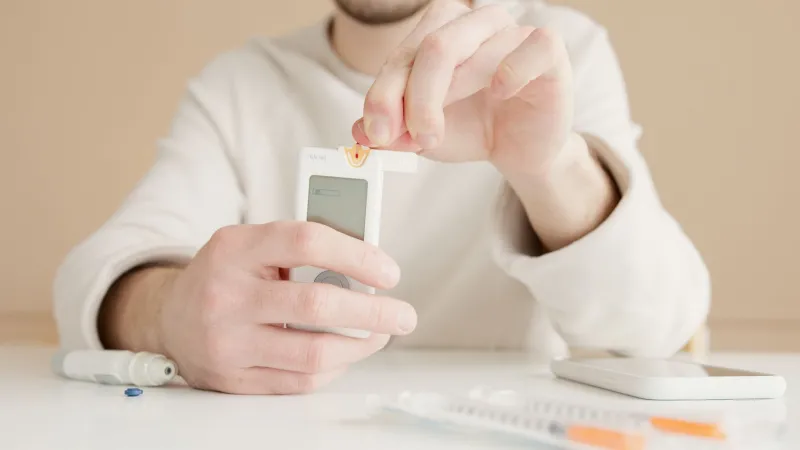
Increase blood glucose monitoring frequency. Patients managing diabetes should discuss with their care team whether their current monitoring schedule is sufficient to capture furosemide-related fluctuations. Post-meal glucose readings, in particular, may reveal patterns that fasting measurements miss entirely.
Consider medication timing thoughtfully. Taking furosemide earlier in the day — typically in the morning — is already recommended to minimize nighttime urination. From a metabolic standpoint, this timing also allows the body's peak diuretic response to occur during waking hours when physical activity and dietary choices can partially offset glucose elevations.
Review the full medication list. Patients and providers should evaluate whether other medications in the regimen — including certain blood pressure drugs, steroids, or antipsychotics — are compounding furosemide's glucose effects. In some cases, adjusting the broader pharmaceutical picture can meaningfully reduce overall metabolic burden.
Prioritize a low-glycemic dietary pattern. Reducing dietary sources of rapidly absorbed carbohydrates limits post-meal glucose spikes at the very moments when furosemide-related insulin impairment is most consequential. A registered dietitian familiar with both cardiac and metabolic health can help design a practical eating plan that serves both conditions simultaneously.
The Importance of Transparent Communication With Your Care Team
Many patients hesitate to raise concerns about a medication that is clearly helping their primary condition. There is a tendency to accept side effects as the cost of treatment. But glucose dysregulation is not a minor inconvenience — it is a risk factor for cardiovascular disease, neuropathy, kidney damage, and a host of other serious outcomes, many of which overlap directly with the conditions furosemide is prescribed to manage.
Patients who notice unexplained fatigue, increased thirst, more frequent urination beyond what the diuretic would explain, or unexpected changes in their blood sugar readings should bring these observations to their physician without delay. These may represent early signals of metabolic disruption that can be addressed before they compound.
At FurosemideTabs, our commitment is to ensure that patients have access not only to the medications they need, but to the knowledge required to use those medications as safely and effectively as possible. Furosemide remains a vital therapeutic tool — and with proper monitoring, electrolyte management, and informed lifestyle choices, its metabolic risks can be meaningfully controlled.