Generic or Brand-Name Furosemide: What Pharmacy Data and Clinical Evidence Actually Tell You
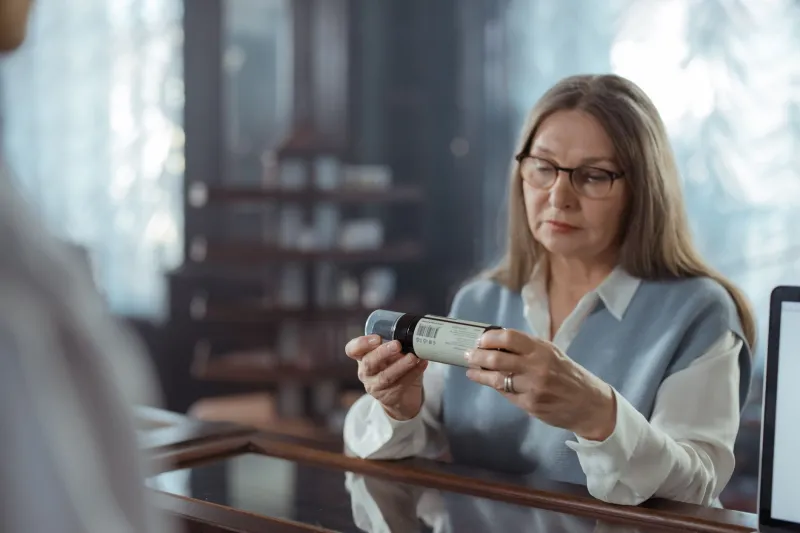
When a pharmacist hands you a white pill in an orange bottle, you may not think twice about whether it carries the Lasix name or a generic label. For the majority of furosemide patients in the United States, that distinction has little clinical relevance. But for a subset of patients — particularly those managing complex cardiac conditions — the question of formulation consistency deserves a more careful examination than it typically receives at the prescription counter.
Understanding the Regulatory Framework
Before evaluating whether generic furosemide is equivalent to brand-name Lasix, it helps to understand what "equivalent" means under US pharmaceutical law. The Food and Drug Administration (FDA) requires that generic drugs demonstrate bioequivalence to their brand-name counterparts. Specifically, the generic formulation must deliver the active ingredient to the bloodstream at a rate and extent that falls within an 80–125% confidence interval of the original drug's pharmacokinetic profile.
Furosemide generics approved by the FDA have met this standard. In practical terms, this means a 40 mg generic tablet and a 40 mg Lasix tablet should produce comparable plasma concentrations and therapeutic effects in most patients under standard conditions.
However, "bioequivalent" does not mean "identical." Generic formulations may use different inactive ingredients — binders, fillers, and coatings — that can, in rare cases, affect absorption rates in individual patients, particularly those with gastrointestinal conditions that influence drug absorption.
What the Pricing Data Shows
The cost differential between brand-name Lasix and generic furosemide is not marginal — it is substantial. Across major US pharmacy chains and mail-order services, the pricing landscape for a 30-day supply of furosemide 40 mg reflects the following approximate ranges as of recent data:
- Generic furosemide (40 mg, 30 tablets): $4–$15 at most retail pharmacies; often available for under $10 with GoodRx or similar discount programs
- Brand-name Lasix (40 mg, 30 tablets): $50–$150 or more, depending on pharmacy and whether a manufacturer coupon is applied
For patients taking furosemide twice daily over a year, the difference between generic and brand-name pricing can easily exceed $1,000 annually out of pocket. For uninsured or underinsured Americans, this is not an abstract calculation — it directly influences medication adherence.
Pharmacy pricing also varies considerably by location and retailer. Warehouse club pharmacies such as Costco and Sam's Club frequently offer generic furosemide at the lower end of the price range, while independent pharmacies in rural areas may charge somewhat more. Utilizing prescription price comparison tools is a practical strategy for cost-conscious patients.
Insurance Coverage: How Plans Treat the Two Formulations
The majority of commercial health insurance plans in the United States place generic furosemide on their lowest cost-sharing tier — typically Tier 1 — meaning patients pay the minimum copay, often $0–$10. Brand-name Lasix, when covered at all, typically falls on Tier 3 or higher, resulting in significantly elevated cost sharing.
Medicare Part D plans follow a similar structure. Because generic furosemide is a widely available, inexpensive medication, most Part D formularies cover it with minimal patient cost. Brand-name Lasix may require prior authorization or step therapy — meaning insurers may require documented evidence that the generic was tried first before approving the branded version.
For patients whose physicians specifically prescribe brand-name Lasix and write "dispense as written" on the prescription, substitution to the generic is prohibited by the pharmacy. However, this designation is uncommon in routine furosemide prescribing and is typically reserved for patients with documented intolerance to specific inactive ingredients in generic formulations.
When Consistency Between Formulations Matters Most
For patients with stable, well-controlled conditions taking furosemide at a consistent dose, switching between generic manufacturers — which can occur when a pharmacy changes its wholesale supplier — is unlikely to produce noticeable clinical changes. The FDA's bioequivalence standards are designed precisely to ensure this interchangeability.
That said, certain patient populations warrant closer attention when formulation changes occur:
Patients with severe heart failure: In advanced heart failure, furosemide absorption from the gastrointestinal tract is already compromised due to gut edema. Small differences in dissolution rates between generic formulations — while within FDA-approved ranges — could theoretically affect therapeutic response in highly sensitive individuals. Clinicians managing such patients sometimes prefer to maintain consistency in the specific generic manufacturer being dispensed.
Patients with documented gastrointestinal conditions: Conditions such as Crohn's disease, celiac disease, or prior bowel resection can alter drug absorption. If a formulation change coincides with a change in symptom control or fluid retention patterns, this warrants prompt physician notification.
Patients who have recently been stabilized: If a patient's edema or blood pressure has just been brought under control after a period of adjustment, introducing a formulation change — even a technically bioequivalent one — is a reasonable point to discuss with a prescriber before proceeding.
Should You Ask Your Pharmacist About the Manufacturer?
Most patients are unaware that pharmacies can — and do — switch between generic manufacturers based on wholesale pricing and supply availability. Two refills of "generic furosemide" from the same pharmacy may come from different manufacturers. This is legal, common, and for most patients, clinically inconsequential.
However, patients who are particularly sensitive or who have experienced unexplained symptom fluctuations can ask their pharmacist which manufacturer supplied their most recent fill. Some pharmacies will accommodate requests to maintain the same manufacturer when possible, though this is not guaranteed.
The Bottom Line for Most Patients
For the overwhelming majority of furosemide patients in the United States, generic formulations are therapeutically equivalent to brand-name Lasix, substantially less expensive, and better covered by insurance. The clinical case for insisting on the brand-name product is narrow and should be driven by documented individual response, not general preference or marketing familiarity.
If you have switched formulations — whether from brand to generic or between generic manufacturers — and have noticed changes in your symptom control, fluid retention, or blood pressure readings, document those observations and bring them to your prescribing physician. That conversation is far more productive than quietly tolerating a potential problem or, conversely, paying premium prices for a branded product without clinical justification.
Informed patients make better pharmaceutical decisions. Understanding what the data actually says about generic furosemide is a meaningful step toward both clinical confidence and financial wellness.