The Side Effect Nobody Talks About: How Furosemide May Be Affecting Your Intimacy

Photo: Alice Donovan Rouse (@alicekat), CC0, via Wikimedia Commons
For millions of Americans managing heart failure, hypertension, or chronic edema, furosemide is a cornerstone of daily treatment. It is effective, well-studied, and widely prescribed. Yet there is one conversation that rarely happens between patients and their physicians: the impact of loop diuretics on sexual health. Whether due to embarrassment, assumption that nothing can be done, or simply not connecting the dots, many patients quietly endure changes in libido or sexual performance without ever raising the subject at a medical appointment.
This article addresses that silence directly. If you have noticed a decline in sexual desire, difficulty achieving or maintaining arousal, or changes in sexual satisfaction since beginning furosemide therapy, you are not imagining things — and you are not alone.
Understanding the Physiological Connection
Furosemide works by blocking the reabsorption of sodium and chloride in the kidneys, prompting the body to excrete excess fluid. This mechanism is precisely what makes it so effective for conditions involving fluid overload. However, that same process sets off a cascade of secondary effects that can ripple into virtually every system in the body, including those governing sexual function.
Electrolyte depletion is the most direct culprit. Furosemide is notorious for depleting potassium and magnesium — minerals that play a critical role in nerve signaling, muscle contraction, and vascular tone. Low potassium levels, known clinically as hypokalemia, can cause fatigue, muscle weakness, and reduced physical stamina, all of which dampen the capacity and desire for sexual activity. Magnesium deficiency compounds this by contributing to anxiety, poor sleep quality, and reduced energy — none of which are conducive to a healthy intimate life.
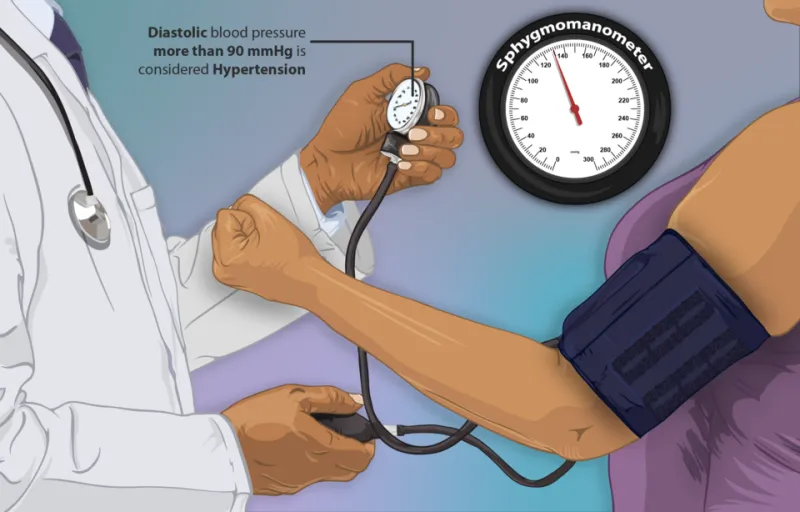
Blood pressure fluctuations represent a second mechanism. Furosemide lowers blood pressure, which is often a therapeutic goal. However, overly reduced blood pressure can impair genital blood flow. In men, adequate arterial circulation is essential for achieving and sustaining erections. In women, reduced pelvic blood flow can diminish sensitivity and natural lubrication. When blood pressure drops lower than intended — a phenomenon known as orthostatic hypotension — the body prioritizes circulation to vital organs, leaving peripheral tissues, including genital tissue, relatively underperfused.
Hormonal and psychological factors also enter the picture. Chronic illness itself carries a psychological burden that can suppress libido. Add to that the fatigue associated with electrolyte imbalance and the anxiety of managing a serious medical condition, and the emotional prerequisites for intimacy — security, energy, desire — become harder to access. Furosemide does not directly alter testosterone or estrogen levels, but the downstream effects of the medication can create hormonal-adjacent symptoms that mimic hormonal decline.
Who Is Most at Risk?
Not every furosemide patient will experience sexual side effects, but certain profiles carry elevated risk. Older adults, whose baseline sexual function may already be more sensitive to physiological disruption, tend to notice these changes more acutely. Patients taking furosemide alongside other antihypertensive agents — particularly beta-blockers or ACH inhibitors — face compounded blood pressure effects that can intensify the problem. Men with existing cardiovascular disease, where arterial health is already compromised, may find that furosemide unmasks or worsens erectile difficulties that were previously subclinical.
Women are not exempt. Research on female sexual dysfunction in the context of cardiovascular medications is less extensive than research focused on men, but reduced lubrication, difficulty with arousal, and decreased libido have all been reported by women on diuretic regimens.
Strategies for Managing Intimacy While on Diuretic Therapy
The good news is that sexual side effects from furosemide are not inevitable, and several practical strategies can meaningfully improve the situation without requiring a medication change.
Optimize Electrolyte Levels
Working with your physician to maintain potassium and magnesium within healthy ranges can have a surprisingly significant impact on energy, mood, and physical capacity. This may involve dietary adjustments — incorporating potassium-rich foods such as bananas, sweet potatoes, and leafy greens — or supervised supplementation. Regular lab monitoring, which your prescribing provider should already be ordering, allows for proactive correction before deficiencies become symptomatic.
Review Your Full Medication List
Furosemide is frequently prescribed alongside other drugs that independently contribute to sexual dysfunction. Beta-blockers, certain antidepressants, and older antihypertensives all carry this risk. A candid conversation with your physician about your entire medication regimen may reveal opportunities to adjust, substitute, or resequence drugs in ways that preserve sexual health without compromising cardiovascular management.
Time Your Dose Strategically
Furosemide's diuretic effect peaks within one to two hours of ingestion. Planning intimate activity outside of this window — and coordinating with your partner accordingly — is a practical, low-effort adaptation that many patients find helpful. This does not require sharing every clinical detail; it simply means being intentional about timing.
Address the Psychological Dimension
Anxiety about sexual performance can create a self-reinforcing cycle that outlasts any physiological cause. If you have noticed that anticipatory worry is as much a barrier as physical symptoms, speaking with a therapist or counselor who specializes in sexual health can be genuinely effective. Many healthcare systems and telehealth platforms now offer discreet access to these services.
When to Ask Your Doctor About Alternatives
If sexual dysfunction persists despite the strategies outlined above, it may be appropriate to discuss whether furosemide is the best diuretic option for your specific condition. Thiazide diuretics, such as hydrochlorothiazide, operate through a different mechanism and may carry a different side effect profile for certain patients. Aldosterone antagonists like spironolactone are sometimes used in heart failure management and may be considered in specific clinical scenarios, though they carry their own hormonal considerations.
The critical point is this: do not discontinue or reduce furosemide without physician guidance. Fluid retention in heart failure or severe hypertension carries serious, potentially life-threatening risks. The goal is a collaborative conversation, not a unilateral decision. Come to your next appointment prepared to describe the symptoms specifically — onset, frequency, and severity — so your provider can assess them in proper clinical context.
Breaking the Silence
Healthcare providers are accustomed to discussing sensitive topics. If the subject feels awkward to raise in person, many patient portals and telehealth services allow you to flag concerns in writing before an appointment, giving both you and your provider time to prepare. Pharmacists, too, are underutilized resources; a licensed pharmacist can review your medication list and help you understand which agents are most likely contributing to what you are experiencing.
Your quality of life — in its entirety — matters. Effective heart health management should not require sacrificing intimacy. With open communication and the right clinical partnership, most patients find a path forward that honors both priorities.