Drinking on Diuretics: The Hidden Dangers of Alcohol and Furosemide

Photo: person declining alcoholic drink at social gathering with glass of water, via shared.fastly.steamstatic.com
For many Americans, a glass of wine at dinner or a cold beer at a summer cookout is an unremarkable part of social life. But for the millions of patients prescribed furosemide—one of the most widely used loop diuretics in the United States—that seemingly ordinary drink can trigger a cascade of physiological consequences that range from uncomfortable to genuinely dangerous.
Furosemide works by instructing the kidneys to excrete excess sodium and water through urine, reducing fluid overload associated with conditions such as congestive heart failure, chronic kidney disease, and hypertension. Alcohol, meanwhile, suppresses antidiuretic hormone (ADH), which normally signals the kidneys to retain water. When both substances are active in the body simultaneously, the result is a compounding diuretic effect that the body is poorly equipped to manage.
The Dehydration Cascade: More Than Just Thirst
Dehydration is the most immediate risk when alcohol and furosemide are combined. On its own, furosemide can prompt the kidneys to excrete several liters of fluid over the course of a day. Alcohol independently accelerates fluid loss by suppressing ADH production. Together, they can push the body into a state of significant dehydration far more rapidly than either substance would alone.
Symptoms of this accelerated fluid loss are not always dramatic at first. Patients may notice dry mouth, mild headache, or reduced urine output—signs that the kidneys are struggling to balance competing chemical signals. However, as dehydration deepens, the consequences become more serious: muscle cramps, dizziness, confusion, and in vulnerable patients with underlying cardiac conditions, hemodynamic instability.
Dr. Renata Osei, a clinical pharmacist with experience in cardiovascular care, has noted that patients often underestimate how quickly this process unfolds. "People assume that because they drink water alongside alcohol, they're protected," she explains. "But when furosemide is on board, the kidneys are already primed to shed fluid aggressively. Alcohol adds fuel to that fire in a way that water intake alone may not fully offset."
Electrolyte Crashes: The Potassium Problem
Beyond fluid loss, the combination of alcohol and furosemide poses a serious threat to electrolyte balance—particularly potassium. Furosemide is already well-known for its potassium-wasting effects, which is why many prescribers recommend dietary adjustments or supplemental potassium alongside the medication. Alcohol consumption compounds this issue by further disrupting the body's electrolyte regulation.
Hypokalemia, or low potassium, is not merely an abstract laboratory finding. In practice, it can manifest as muscle weakness, irregular heartbeat, fatigue, and in severe cases, life-threatening cardiac arrhythmias. Patients with pre-existing heart conditions—many of whom are prescribed furosemide specifically for cardiac-related fluid retention—face the greatest risk.
Sodium and magnesium levels are also vulnerable. Alcohol impairs the gastrointestinal absorption of magnesium while furosemide accelerates its renal excretion, creating a dual depletion pathway. Low magnesium, in turn, makes it harder for the body to regulate potassium, compounding the risk further.
Orthostatic Hypotension: When Standing Up Becomes Dangerous
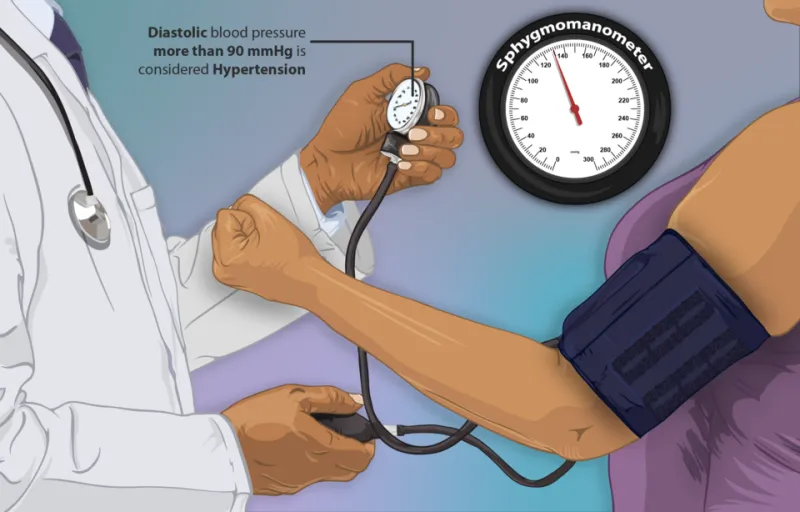
One of the most clinically significant risks of combining furosemide with alcohol is orthostatic hypotension—a sudden drop in blood pressure that occurs when a person stands up from a seated or lying position. Furosemide reduces overall blood volume, which can already cause blood pressure to dip. Alcohol dilates peripheral blood vessels, reducing vascular resistance. The combination lowers blood pressure through two distinct but simultaneous mechanisms.
For a younger, otherwise healthy person, a brief moment of lightheadedness upon standing may be nothing more than an annoyance. For an older adult or someone with cardiovascular disease, the same episode can result in a serious fall, a syncopal episode, or a traumatic injury. According to data from the Centers for Disease Control and Prevention, falls are the leading cause of injury-related death among adults over 65—a demographic that is heavily represented among furosemide users.
Patients who consume alcohol in the evening and rise during the night to use the bathroom are at particular risk. The combination of darkness, residual alcohol in the system, reduced blood volume, and dilated blood vessels creates a genuinely hazardous set of conditions.
Real Patients, Real Consequences
Consider the experience of a 67-year-old man from Ohio managing heart failure with furosemide and a potassium supplement. At a family gathering, he consumed three beers over the course of an afternoon. Within two hours, he experienced significant lightheadedness, leg cramps, and a fainting episode that sent him to the emergency room. His potassium level on admission was critically low, and his blood pressure was substantially below his baseline. He recovered fully, but his cardiologist subsequently had an extended conversation with him about alcohol and his medication regimen—a conversation he wished had happened sooner.
This type of scenario is not uncommon. Emergency departments across the United States regularly see patients whose diuretic regimens are destabilized by alcohol consumption, often in social settings where the connection between the drink and the symptoms is not immediately obvious.
Practical Guidelines for Patients Who Choose to Drink
Abstinence from alcohol is the safest choice for furosemide patients, and that remains the guidance most physicians will offer. However, for patients who choose to drink socially on occasion, several harm-reduction strategies can meaningfully reduce risk.
Hydrate proactively. Drink water before, during, and after consuming alcohol. This does not eliminate the interaction, but it provides the body with additional fluid reserves to draw upon.
Eat a potassium-rich meal beforehand. Foods such as bananas, sweet potatoes, avocados, and leafy greens can help buffer some of the potassium loss associated with the combined diuretic effect.
Limit quantity and pace consumption slowly. If you choose to drink, one standard drink is significantly less risky than two or three. The pharmacological interaction scales with the amount of alcohol consumed.
Avoid alcohol on days when your furosemide dose is higher. Some patients are prescribed flexible dosing protocols. On days when a larger dose is taken, the risk of fluid and electrolyte disruption is amplified.
Rise slowly from seated or reclined positions. This simple behavioral change can substantially reduce the risk of a fall related to orthostatic hypotension.
Inform your prescriber about your alcohol use. This is not a conversation to avoid. Your physician or pharmacist can assess your individual risk profile, adjust your monitoring schedule, or recommend additional electrolyte supplementation if appropriate.
A Word About Medication Timing
Some patients wonder whether timing their furosemide dose far away from alcohol consumption can minimize the interaction. While it is true that peak drug activity occurs within one to two hours of ingestion, furosemide's effects on renal function can persist for up to six hours or longer. The window of meaningful interaction is wider than many patients assume, and staggering doses and drinks by a few hours does not reliably eliminate the risk.
The Bottom Line
Furosemide is a powerful and effective medication that improves quality of life and reduces hospitalization risk for millions of Americans managing serious cardiovascular and renal conditions. Alcohol, while culturally embedded in American social life, represents a meaningful pharmacological hazard for patients on this therapy. Understanding the mechanisms behind this interaction—dehydration, electrolyte depletion, and blood pressure instability—empowers patients to make informed decisions rather than uninformed ones. If you have questions about how alcohol fits into your treatment plan, the most important step you can take is a direct, honest conversation with your prescribing physician or pharmacist.