Rethinking Your Diuretic: A Physician-Informed Guide to Switching Medications Safely

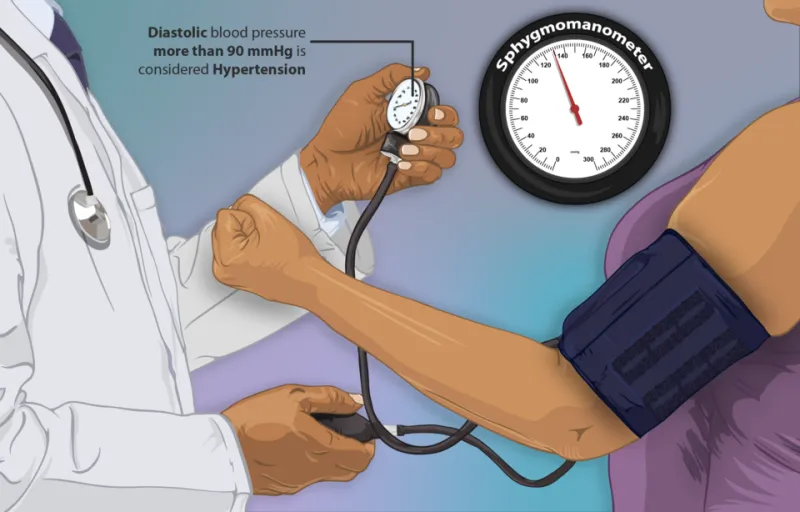
Photo: U.S. Navy photo by Petty Officer 2nd Class Jonas Womack, Public domain, via Wikimedia Commons
For many patients, furosemide has been a cornerstone of their treatment plan for years—reliably managing fluid retention, supporting heart function, or controlling blood pressure. Yet the question of whether a different diuretic might serve them better occasionally surfaces, prompted by persistent side effects, cost pressures, or simply a conversation overheard at a pharmacy counter. Understanding when switching diuretics is medically warranted—and when it is not—requires a nuanced look at how these medications differ, why physicians prescribe what they do, and what can go wrong when changes are made without proper oversight.
The Landscape of Diuretic Options in the United States
Furosemide belongs to a class called loop diuretics, named for the segment of the kidney tubule where they act. Its potency makes it the standard choice for conditions involving significant fluid overload, including heart failure, nephrotic syndrome, and cirrhosis-related edema. Other loop diuretics—bumetanide and torsemide—operate through a similar mechanism but differ in bioavailability, duration of action, and cost.
Beyond the loop diuretics, thiazide diuretics such as hydrochlorothiazide and chlorthalidone act on a different portion of the kidney and are generally used for hypertension management rather than acute fluid overload. Potassium-sparing diuretics, including spironolactone and eplerenone, are frequently prescribed alongside loop diuretics to offset potassium loss. Each class carries a distinct risk-benefit profile, and what constitutes an appropriate switch depends heavily on a patient's underlying diagnosis.
Legitimate Clinical Reasons for Reconsidering Furosemide
Physicians do not make diuretic changes arbitrarily. When a switch is genuinely warranted, it typically falls into one of several categories.
Diminished therapeutic response is among the most common drivers. Some patients with chronic heart failure experience what clinicians call diuretic resistance—a state in which the kidneys become less responsive to furosemide over time, often due to compensatory physiological adaptations. In such cases, a provider might increase the dose, shift to a different loop diuretic with superior oral bioavailability (torsemide is frequently cited in this context), or add a thiazide to produce a synergistic effect.
Intolerable side effects represent another legitimate basis for reassessment. Furosemide can cause significant electrolyte disturbances, hearing changes at high doses (ototoxicity), and skin sensitivity reactions in some individuals. Patients who experience recurrent hypokalemia despite supplementation, or who report consistent hearing disturbances, may benefit from a medication adjustment. However, the appropriate response is a physician evaluation—not a unilateral switch to an over-the-counter alternative.
Changes in underlying diagnosis sometimes necessitate a different approach altogether. A patient initially prescribed furosemide for acute decompensated heart failure who later achieves stable compensation may be transitioned to a lower-intensity regimen. Conversely, a patient whose kidney function has declined may require careful dose recalibration, since furosemide's effectiveness is reduced in moderate-to-severe renal impairment.
The Role of Cost in Diuretic Decisions
Financial considerations are a reality of medication management in the United States, and it would be misleading to suggest that cost plays no role in prescribing decisions. Furosemide is among the least expensive generic medications available, frequently accessible for under ten dollars per month at major pharmacy chains. Torsemide and bumetanide are similarly affordable in generic form. Brand-name formulations, by contrast, can carry substantially higher price tags without offering proportional clinical advantages for most patients.
Where cost concerns most commonly arise is in combination regimens. Patients prescribed furosemide alongside spironolactone, ACE inhibitors, and beta-blockers may face cumulative out-of-pocket expenses that create adherence challenges. In these situations, the conversation about switching should encompass the entire medication regimen rather than isolating any single drug. Patient assistance programs, pharmacy discount cards, and mail-order pharmacy options can meaningfully reduce costs without requiring a clinical change that may not be medically justified.
Newer Diuretic-Adjacent Agents: SGLT2 Inhibitors
A category of medication that has generated significant clinical discussion in recent years is the SGLT2 inhibitors—drugs such as empagliflozin and dapagliflozin, originally developed for type 2 diabetes management. These agents produce a modest diuretic effect through a mechanism entirely distinct from traditional diuretics and have demonstrated compelling outcomes data in heart failure patients, including reduced hospitalizations and improved survival.
Some patients or their family members, having read about these medications, wonder whether they could replace furosemide entirely. The clinical consensus at this time is that SGLT2 inhibitors complement rather than replace loop diuretics in most heart failure patients. They are not appropriate for all patients—those with significant kidney impairment, recurrent urinary tract infections, or type 1 diabetes face specific contraindications—and they require prescription and ongoing monitoring. Nonetheless, they represent a meaningful addition to the diuretic conversation worth raising with a cardiologist or primary care physician.
What Can Go Wrong When Patients Switch Without Guidance
The risks of self-directed diuretic changes are not theoretical. Furosemide manages conditions in which fluid accumulation can escalate quickly and dangerously. A patient who independently reduces their dose or substitutes a lower-potency alternative based on online research risks rapid decompensation—a return of severe edema, worsening shortness of breath, or acute heart failure exacerbation requiring hospitalization.
Equally concerning is the reverse scenario: a patient who increases their diuretic dose or adds a second agent without medical supervision runs the risk of severe electrolyte depletion, acute kidney injury, or dangerous drops in blood pressure. These are not edge-case outcomes. They appear in emergency departments with regularity, often among patients who believed they were making a sensible, cost-saving adjustment.
The asymmetry here is important to internalize. The downside of an unsupervised switch can be severe and swift. The upside of waiting to consult a physician—typically a matter of days or weeks—is comparatively modest.
How to Have a Productive Conversation With Your Provider
Patients who have legitimate concerns about their current diuretic regimen should feel empowered to raise them directly. Preparing for that conversation increases the likelihood of a productive outcome.
Consider documenting specific symptoms, their frequency, and their relationship to medication timing before your appointment. Note any recent changes in weight, urine output, or swelling patterns. If cost is a contributing concern, be direct about it—physicians and pharmacists can often identify lower-cost alternatives or assistance programs that the patient may be unaware of.
Asking focused questions tends to yield more actionable responses than broad expressions of dissatisfaction. Questions such as "Is there evidence that torsemide might work better for my specific diagnosis?" or "Are there newer options I should know about given my recent lab results?" invite a substantive clinical discussion rather than a reflexive reassurance that your current prescription is fine.
Switching diuretics is sometimes the right clinical decision. Arriving at that decision through a transparent, evidence-informed conversation with your healthcare team is the approach most likely to result in both improved outcomes and lasting confidence in your treatment plan.